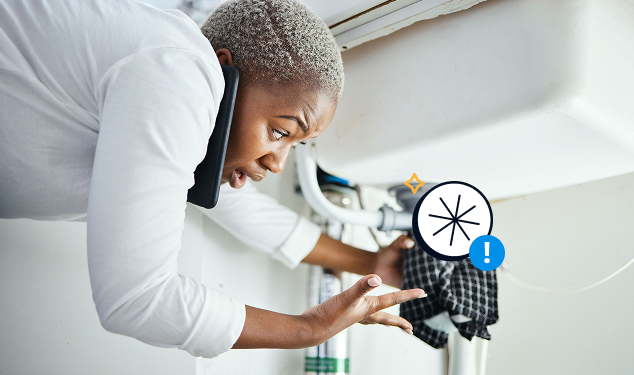
Nature may sleep through winter, but homeowner problems never rest. In Canada, winter disasters such as frozen pipes, water damage, roof collapses from snow buildup, and heating-related fires are among the most common home insurance claims.
With extreme cold and frequent storms, knowing how to protect your home in winter can prevent thousands of dollars in damage.
Why Winter Home Protection Is Critical in Canada
February is peak season for home winter disasters. Frozen plumbing, heavy snow accumulation, and extreme temperatures significantly increase the risk of water damage, fire hazards, and structural failures. Following proven winter disaster prevention tips helps homeowners avoid costly repairs and stressful insurance claims.
Essential Winter Home Protection Tips
How to Prevent Frozen Pipes
Frozen pipes are the leading cause of winter water damage in Canada. They can cause major water damage during winter. Taking proactive measures helps prevent frozen pipes and protect pipes from freezing, keeping your home safe and avoiding costly repairs.
How to prevent frozen pipes:
- Insulate exposed plumbing
- Seal air leaks
- Keep indoor temperature above 15°C
- Let faucets drip in extreme cold
- Shut off outdoor water lines
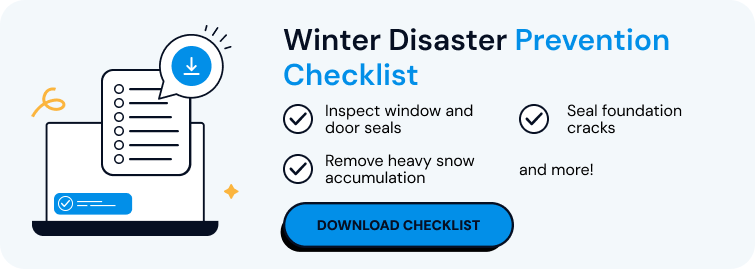
Winter Storm Home Preparation Checklist
Severe winter storms can strike quickly, making preparation critical. A clear winter storm home preparation plan and winter emergency home checklist ensures your home and family are ready for extreme weather:
- Secure outdoor objects
- Inspect window and door seals
- Prepare emergency kits
- Keep backup heat sources available
Roof, Attic & Gutter Protection Tips
Snow and ice can seriously damage roofs if left unchecked. Regular maintenance helps prevent ice dams and protect your roof from snow damage, keeping your home secure throughout winter:
- Remove heavy snow accumulation
- Clear gutters
- Inspect shingles and flashing
- Improve attic insulation
Heating System & Fire Prevention Tips
Winter heating systems are essential but can pose risks if not properly maintained. Regular inspections and safety checks ensure winter heating system protection and support home fire prevention in winter:
- Replace furnace filters
- Inspect heating devices
- Install smoke detectors
- Install carbon monoxide detectors
Basement & Foundation Protection Tips
Protecting your basement and foundation during winter is essential to avoid costly water damage and structural issues. By taking proactive steps, you can protect your basement from freezing and prevent winter water damage, keeping your home safe and dry all season long.
- Seal foundation cracks
- Insulate basement walls
- Extend downspouts
- Monitor humidity
Why Home Document Organization Matters in Winter
Proper home document organization is critical in winter, as quick access to receipts, policies, and records can streamline insurance documentation and speed up recovery after a disaster.
With Edwix, homeowners can:
- Store insurance policies
- Track maintenance records
- Save appliance warranties
- Upload photos and receipts
This dramatically simplifies winter disaster recovery.
DO THIS Immediately After a Winter Disaster
If there is a spreading fire, structural collapse, gas leak, or major electrical hazard, leave immediately and call 911.
For water damage caused by frozen or burst pipes, leaking appliances, or roof damage:
- Shut OFF the main water supply immediately
- Try to control incoming water
- Remove standing water and dry surfaces
- Use fans and dehumidifiers
Then contact your insurer immediately and begin documenting the damage.
Document Damage for Faster Insurance Claims
To simplify home insurance winter claims and accurately document winter damage, photograph all affected items, list destroyed property, and save receipts for faster, smoother insurance processing. This process becomes effortless when documents and photos are already organized inside Edwix.
DON’T DO THIS Immediately After a Winter Disaster
Avoid these costly mistakes:
- Waiting too long before calling your insurer
- Throwing out damaged items before inspection
- Making unauthorized major repairs
Always prioritize personal safety over property.
The Home Insurance Claims Process Explained
- Claim adjuster evaluates damage
- Settlement offer issued
- Repairs approved or reimbursed
Having organized receipts, insurance contracts, and photos significantly increases reimbursement success.
Protect Your Home & Documents All Winter Long
Winter disasters are unpredictable, but your preparedness doesn’t have to be.
Edwix keeps your home records organized, secure, and instantly accessible.
👉 Sign up today and protect your home the smart way.
Frequently asked questions about winter home protection
How can I protect my home in winter?
To protect your home in winter, focus on preventing frozen pipes, improving insulation, clearing snow buildup, maintaining heating systems, and preparing for winter storms. Insulating exposed plumbing, sealing air leaks, cleaning gutters, and inspecting your roof can significantly reduce the risk of costly winter damage. Keeping important home documents and insurance policies organized also helps speed up recovery if disaster strikes.
What temperature do pipes freeze at in Canada?
In Canada, pipes can begin to freeze when temperatures drop below –10°C, especially in unheated areas like basements, garages, crawlspaces, and exterior walls. During extreme cold, frozen pipes can burst within hours, leading to severe water damage. Keeping indoor temperatures above 15°C and insulating vulnerable plumbing helps prevent freezing.
How do I prevent frozen pipes during extreme cold?
To prevent frozen pipes during extreme cold, insulate exposed plumbing, seal air leaks, keep your home heated, open cabinet doors under sinks to allow warm air circulation, and let faucets drip slightly. Disconnect outdoor hoses and shut off exterior water lines before winter. These simple steps greatly reduce the risk of burst pipes and water damage.
What should I do if my pipes freeze?
If your pipes freeze, shut off the main water supply immediately. Gently warm the frozen section using a hair dryer, heating pad, or warm towels, never use open flames. If the pipe bursts or you cannot safely thaw it, contact a licensed plumber right away and notify your insurance company. Document all damage with photos for insurance claims.
How can I prepare my home for winter storms?
Prepare your home for winter storms by securing outdoor furniture, inspecting doors and windows for drafts, stocking emergency supplies, clearing snow and ice buildup, and ensuring your heating system is working properly. Having a winter emergency checklist and organized home documents helps you respond quickly during power outages or severe storms.