
Your move is now complete! In addition to unpacking boxes, rearranging furniture, and updating your address, there are a whole host of important things to take care of moving forward. But don’t worry, the most stressful part is behind you!
We’ve put together a post-move checklist for you, perfect for staying organized! Whether you’re a new homeowner or not, or whether this is your first home or even your fifth, our checklist will guide you step by step.
So, what should you do when you move in? It’s time to take good care of your new home. Here’s a checklist for the first 30 days to help you settle into your new home and organize all the important information right from the start.
Why is the first month important when buying a house?
In the first month after buying a new home, there are a lot of documents to take care of. Organizing your documents properly from the very beginning will save you time for years to come.
Warranty registration, mortgage documents, insurance policies that need updating, building inspection reports, the first electricity bills, receipts for all those purchases… It’s easy to get lost in it all and forget something when your top priority is finding those little coffee spoons among the pile of boxes in the kitchen!
Here’s our checklist for new homeowners. Checklist lovers, let’s get started!
Your First Week in Your New Home
The first week in a new home is crucial. This is the time to walk through the house and make sure everything is in order. A thorough inspection of the premises is essential, as this is the time to plan for any necessary repairs.
So, here’s what to check off your post-move checklist!
Take a complete tour of the property
- Inspect each room thoroughly to identify potential problems, such as water leaks, mold, cracks, electrical connections that look suspicious, or other issues that need repair. Make a list that you can share with specialized contractors to have them perform the work you can’t do yourself.
- Test the equipment, such as heat pumps, the hot tub, built-in appliances, electric baseboard heaters, lighting, bathroom ceiling fans, etc.
- Take photos of each room for your personal records, but also for your insurance purposes (see the next point). You can upload these photos directly to Edwix.
Check your insurance coverage
- After taking a tour of the property, make sure your home insurance coverage is appropriate for your home. If not, update your policy to reflect your current situation, such as the cost of renovations to be done, your most valuable possessions, or any special equipment.
- Set a reminder on your calendar to take photos for insurance purposes of the entire house, both inside and out, every year.
Centralize all the documents in the house
To make sure your documents are always up to date and well organized, get started now! Here is a list of the most important documents. There may be several others, depending on your situation. Keep in mind that Edwix can also help you identify and save them.
- Deed of Sale
- Mortgage documents
- Insurance policies
- Certificate of Location
- Inspection reports
- Major invoices from the previous owner (roof, kitchen renovation, etc.)
- Invoices for renovations and routine purchases
Week 2: Get Your Warranties in Order
Why register a warranty?
The main reason: to speed up and simplify the claims process for your products or appliances in the event of a breakdown. It’s important not to wait too long to register, as some manufacturers set a time limit. Here are a few key benefits of registering your warranties:
- Makes filing claims easier: no need to search for your original invoice.
- Safer: The manufacturer can contact you directly if a manufacturing defect is discovered in your product.
- Can serve as proof of purchase for insurance purposes in the event of theft or fire
Gather the user manuals
Gather all the user manuals for the appliances in your new home, along with the invoice, warranty, serial number, and installation date. You can do all of this easily in Edwix!
Here are some examples of appliances with useful user manuals:
- Refrigerator
- Stove
- Dishwasher
- Heat pump
- Water heater
- Air exchanger
- Alarm system
- Televisions
- Computers

Week 3: Create a maintenance schedule
You’ve just moved into your new home, but you’ve already noticed that there will be things to change, regular maintenance to do, and other tasks to tackle a little later… And it would be a shame to forget about these things as the year goes on, wouldn’t it?
Now is the perfect time to create a maintenance schedule!
Here are a few things to consider, depending on your situation.
Seasonal Maintenance
- Roofing
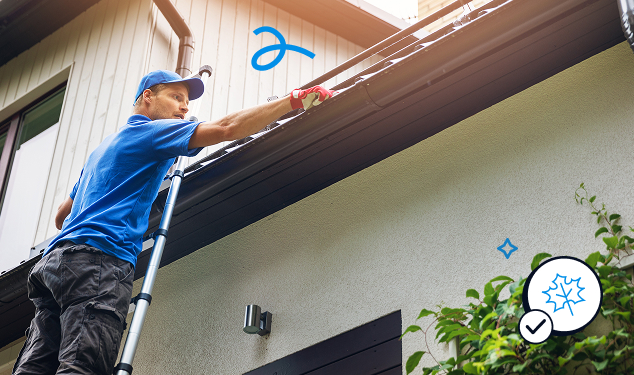
- Gutters
- Windows
- Air Conditioning
- Heating
- Sprinklers
- Tree Trimming
Annual Review
- Water heater
- Smoke detectors and other devices
- Air exchanger
- Chimney
- Septic tank
- Asphalt
Week 4: Preparing for the Future
A home constantly generates new documents. Whether it’s renovation invoices, a change in insurance provider, routine maintenance or new purchases, it’s important to keep your invoices and document the improvements made to your home.
Keep all receipts for renovations and major purchases
Here are a few examples:
- Plumbing
- Roofing
- Deck
- Painting
- Flooring
- Appliances
- Pool or spa
Document the home improvements
- Take before and after photos
- Write down the contractors’ contact information
- Keep a copy of the permits you’ve obtained
- Keep a copy of invoices and warranties

Find Everything Easily with Edwix
There’s so much to do when you move into a new home! We hope our post-move checklist has been helpful.
Edwix can help you navigate stressful times by keeping all your important documents in one place and reminding you of the necessary appointments as a new homeowner.
Edwix lets you:
- Keep track of warranties
- Quickly find instruction and user manuals
- Centralize inspection reports
- File mortgage documents
- Organize photos of the property
- Track home maintenance and set up reminders
- Keep a complete history of the property
Start organizing your new home today with 👉 Edwix
Frequently Asked Questions After a Move
What should you do right after moving in?
Start by inspecting the property, testing the main appliances, and taking photos for your insurance. Then, organize all the important documents related to your new home in Edwix.
What documents should you keep after buying a house?
Keep the deed of sale, mortgage documents, insurance policies, property location certificate, inspection reports, and all important invoices. Also keep warranties, user manuals and proof of renovations.
Why should you keep track of appliance warranties?
Registration makes it easier to file claims and allows the manufacturer to notify you in the event of a recall or defect. It can also serve as proof of purchase for your insurer.
How can you organize your household documents?
Organize all your documents in one place by category, such as insurance policies, warranties, invoices, and inspection reports. Add photos of the property and update your file regularly. Here’s a tip: Set up an annual reminder in Edwix.
How can you keep track of your property's maintenance over the years?
Create a maintenance schedule that includes seasonal and annual tasks. Also keep invoices, photos, and a record of the work that has been done.